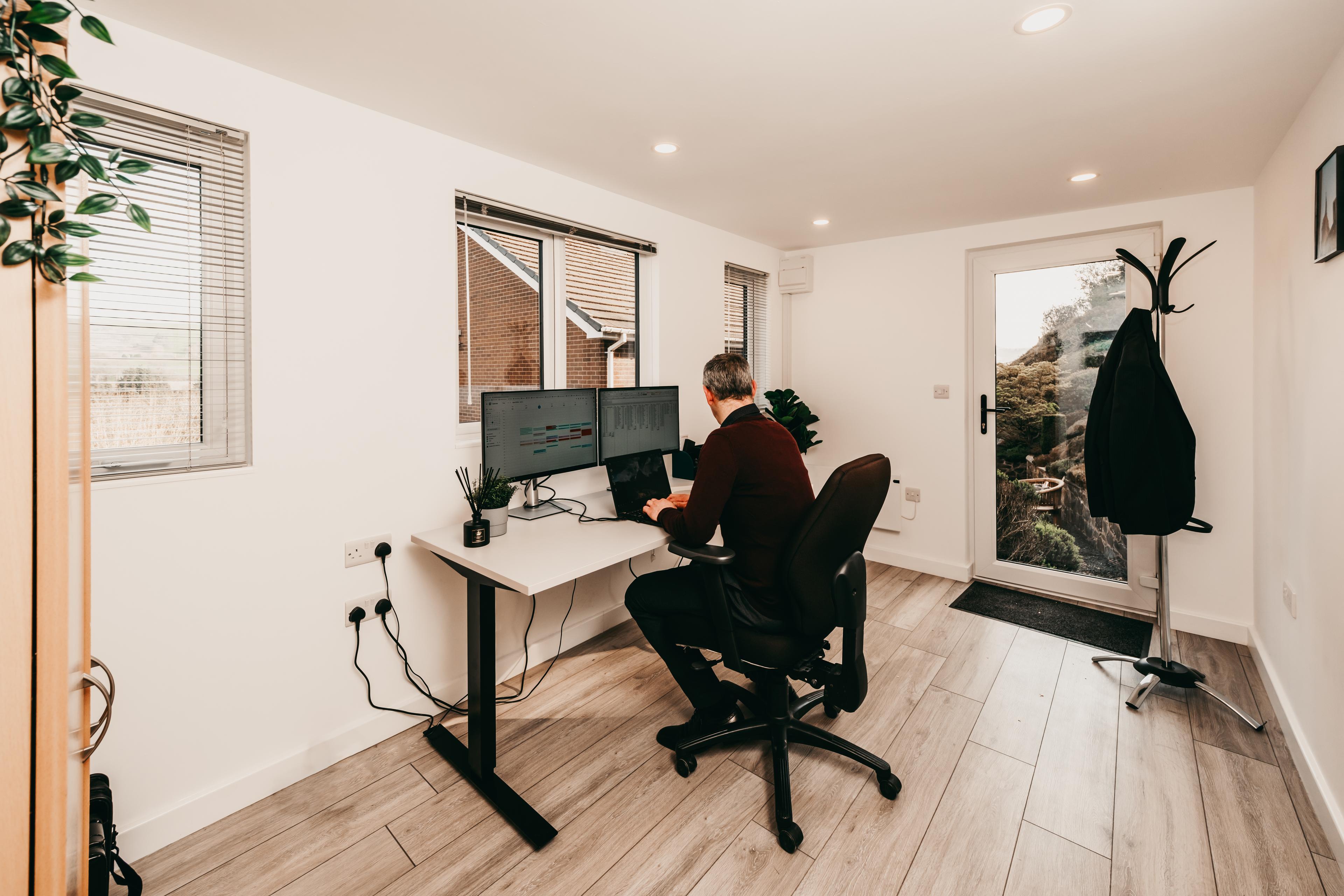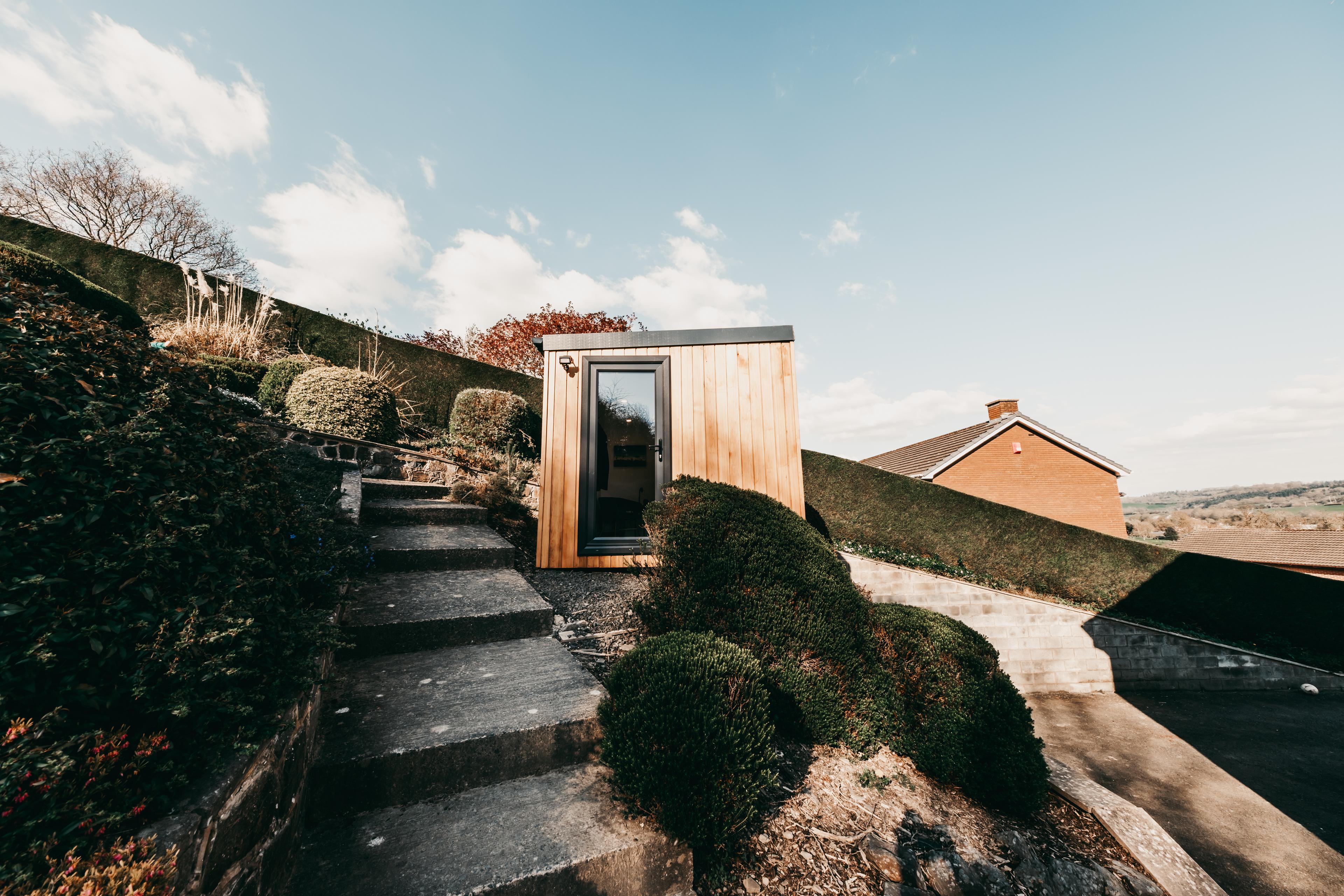
Granny annexes sit in a grey area between garden rooms and self-contained dwellings. The planning rules differ from a standard garden office, and getting them wrong can be costly — here's what to consider in 2026.
Granny Annexe vs Garden Room: What's the Difference?
A granny annexe is designed as living accommodation — typically with a bedroom, bathroom and kitchenette. This distinction matters because:
- A garden room used as an office or gym is more commonly permitted development
- A self-contained dwelling with sleeping, cooking and washing facilities more often requires planning permission
- The key test local authorities apply is whether the annexe is genuinely "ancillary" to the main house or functions as a separate dwelling
When You May Not Need Planning Permission
An annexe may fall under permitted development if it's genuinely ancillary to the main dwelling (used by family rather than let independently), meets the size and height limits for outbuildings, doesn't exceed 50% coverage of the garden, isn't positioned in front of the principal elevation, and your property isn't listed or in a conservation area. But every one of these is a "may" rather than a guarantee — the specifics of your property and how the annexe will actually be used both matter.
When You Will Likely Need Planning Permission
A full application is more likely to be needed if the annexe will be let out or occupied as a separate household, it exceeds permitted development size limits, your property has restricted permitted development rights, or your local authority considers the result to be a new, independent dwelling rather than ancillary accommodation.
Building Regulations
Regardless of the planning position, most granny annexes need Building Regulations approval, covering structural safety, fire safety and means of escape, drainage and sanitation, electrical safety, energy efficiency, and accessibility. This applies whether or not planning permission was required for the building itself.
Council Tax
Council tax treatment of annexes varies by local authority and by how the annexe is used. An annexe genuinely ancillary to the main house and used by family may not attract a separate bill, while one classified as a separate dwelling could be banded independently — some councils also offer annexe discounts. Because this varies, check directly with your council rather than assuming either outcome, and consider applying for a Lawful Development Certificate to get a formal position on your annexe's planning status.
How LouMil Helps
We build genuine self-contained garden annexes — real examples include our Thetford accessible annexe, our Kettering build, and our L-shaped two-bedroom annexe in Leicester (see our portfolio for these and other projects). As part of designing your annexe, we'll flag what your brief is likely to need from a planning and Building Regulations perspective and point you toward your local planning authority for a definitive answer — we don't submit planning applications on your behalf, and the right approach for your situation will depend on your council and property specifics, so treat our input as a starting point for those conversations rather than a substitute for them.