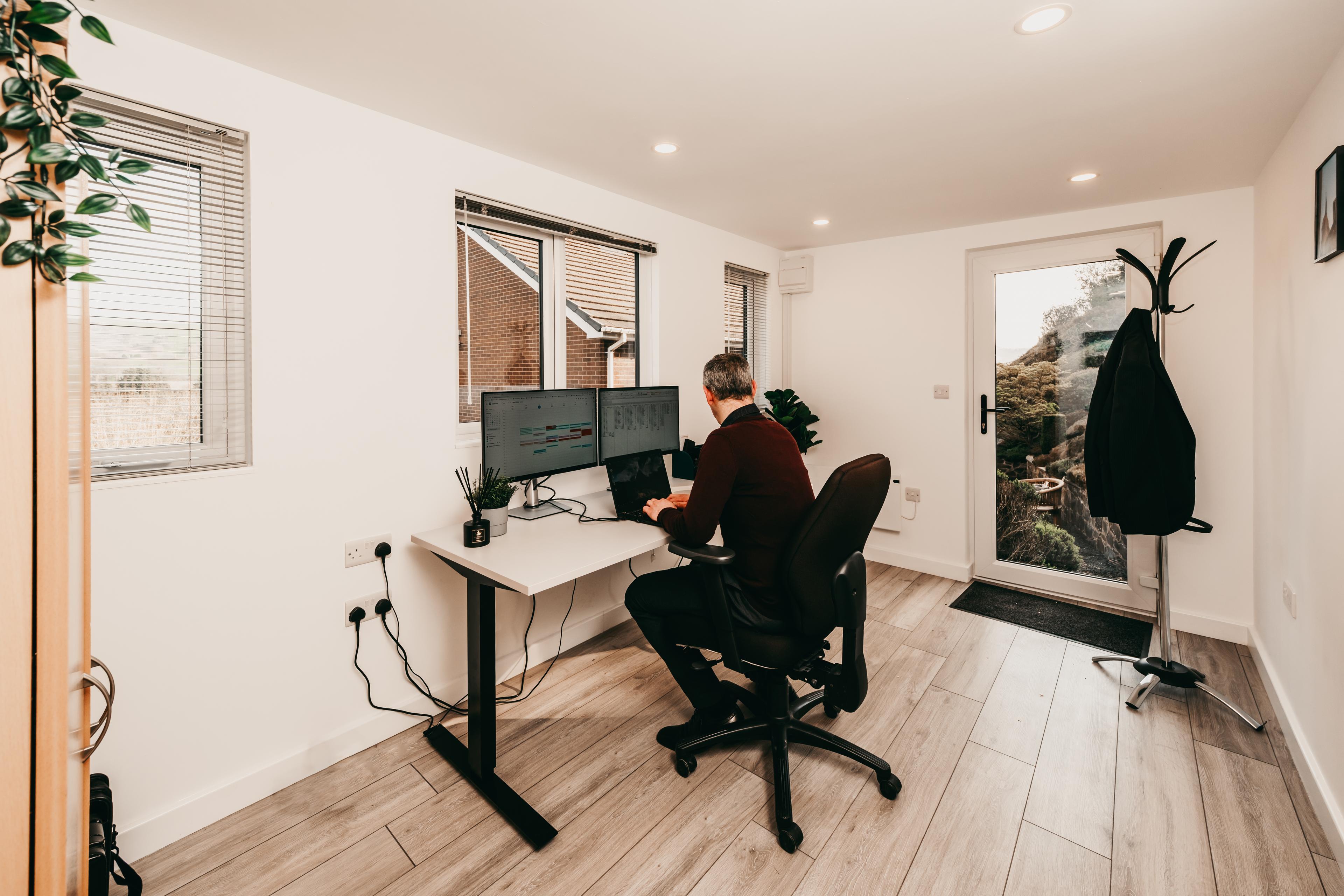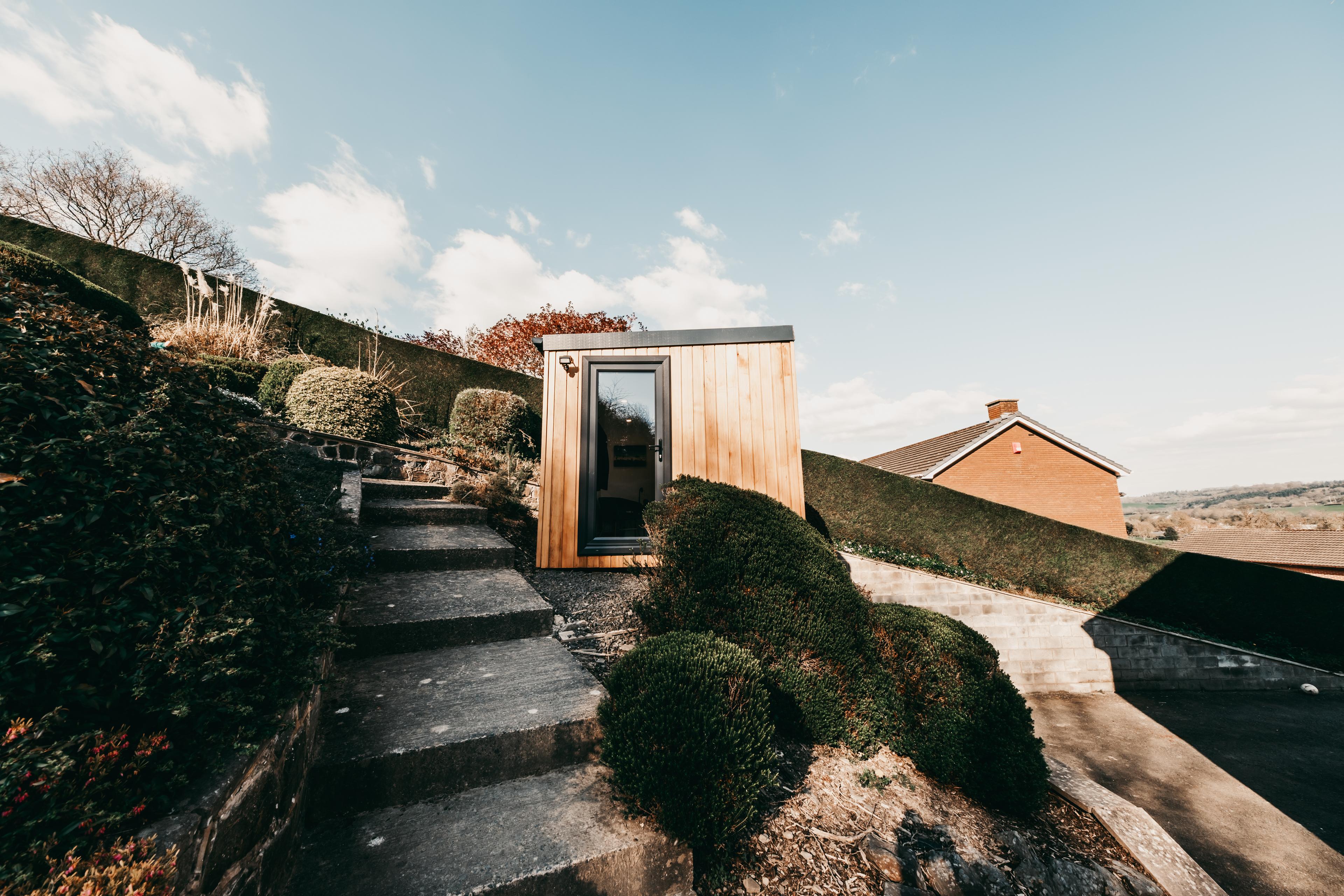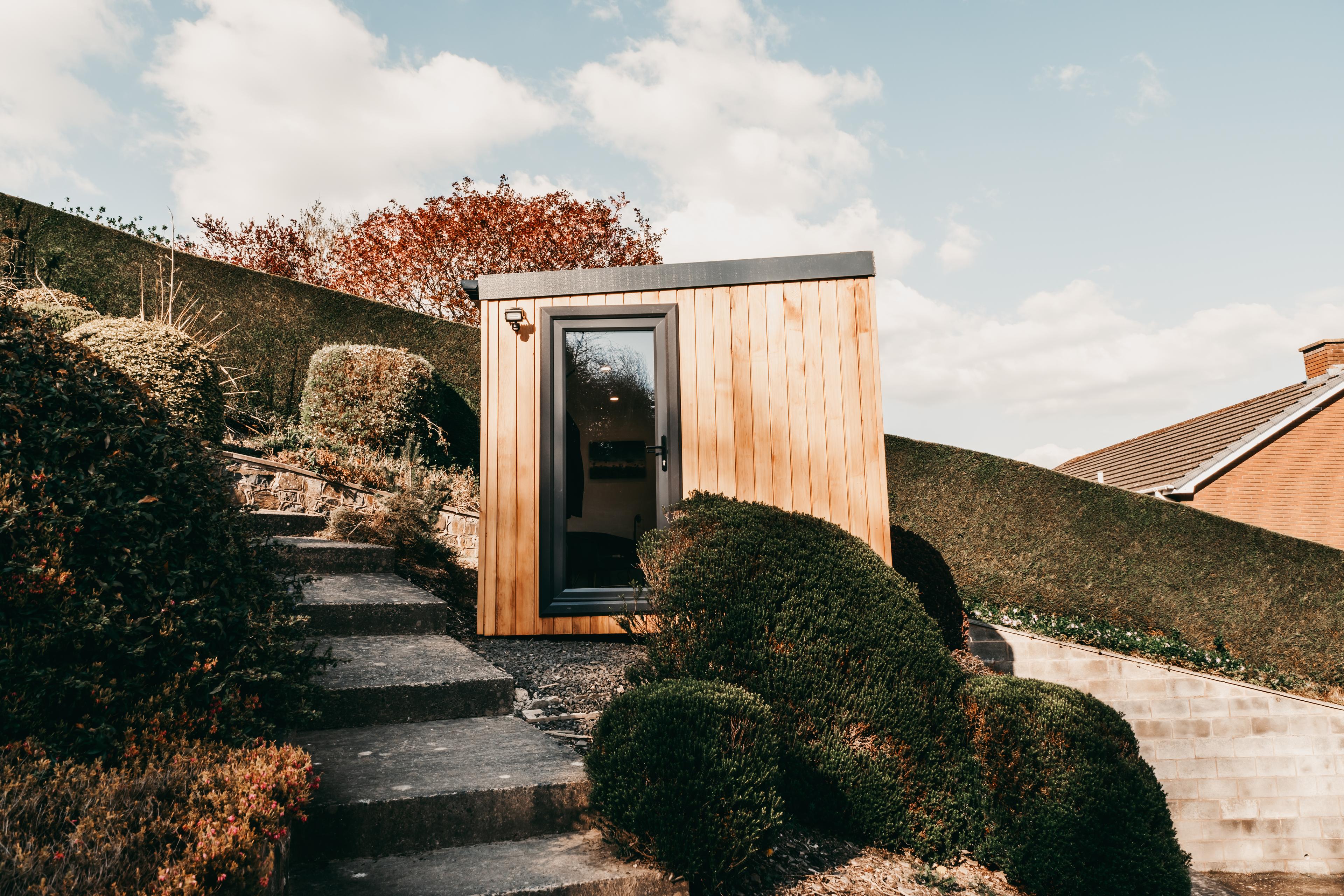
Adding a bathroom to your garden room turns it from a simple outbuilding into a genuinely self-sufficient space. Whether it's a full bathroom, a shower room, or just a WC, here's what's involved.
Is It Possible?
Yes — garden rooms can accommodate a full bathroom with toilet, shower and sink, provided the plumbing and drainage are properly planned at the design stage rather than added as an afterthought. It's much easier and cheaper to route pipework and plan the layout before the build than to retrofit it later.
Drainage Options
There are several ways to handle drainage, and the right one depends on your site:
- Mains connection: Connecting directly to your property's existing drainage system, where the run and fall allow it
- Septic tank: Suitable for properties not connected to mains drainage
- Pumped system: Uses a macerator pump when gravity drainage isn't achievable given the distance or levels involved
Building Regulations
Adding plumbing to a garden room typically requires Building Regulations approval, covering things like:
- Proper ventilation
- Adequate drainage
- Safe electrical installations in wet areas
- Water efficiency standards
Requirements vary depending on your council and the specifics of the build, so it's worth confirming what applies to your project before work starts.
Costs to Consider
Adding a bathroom increases the overall project cost, and the amount varies widely depending on the fittings you choose, the drainage route required and how far the plumbing has to run from the house — a simple WC costs considerably less than a full bathroom with a bath, shower enclosure and quality sanitaryware. Rather than quote a fixed figure that may not reflect your site, we'll talk through the drainage options for your garden and build the cost into your specification once we understand what's achievable.
Our Approach
We design garden rooms with bathrooms from the ground up rather than bolting plumbing onto a finished shell. That means working out the drainage route, ventilation and electrical safety requirements as part of the original design, and helping you understand what Building Regulations sign-off will involve for your particular project — though the final compliance position depends on your council and site, so we'd always recommend confirming the detail with building control directly.